I did not realize I would cry when Dolly Parton died. But there I was.
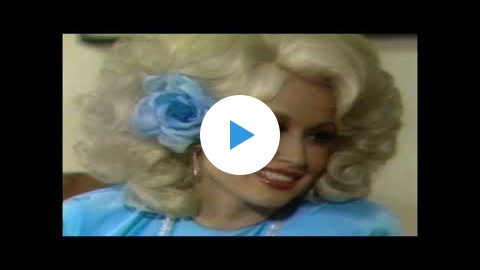
I watched an old interview between Dolly and Barbara Walters. Walters asked pointed questions about Dolly’s appearance, her upbringing, and whether people might see her as a joke.
Dolly did not become defensive. She did not shrink, posture, or try to become someone else to win approval. She answered with warmth, humor, vulnerability, and remarkable self-possession.
It is a masterclass in knowing who you are—and in helping other people understand you without asking them to admire you.
Watch Dolly Parton’s interview with Barbara Walters and notice how completely herself she is.
Authenticity is more precise than “just be yourself”
Dolly famously said, “Find out who you are and do it on purpose.”
That line matters because authenticity is not passivity. It is not permission to walk into every room unprepared and say whatever comes to mind. It is the work of understanding what shaped you, what you learned, what you value, and how you want those truths to show up in the way you lead.
It took me time—and a lot of work—to understand the experiences that shaped me and why they mattered. That process is also a significant part of what I help leaders do.
Accomplished people often have impressive credentials. Credentials establish competence. They do not automatically create connection. People may understand what you have done without understanding what drives you.
Your origin story does not need to be dramatic
Dolly’s origin story was straightforward: she grew up poor in a large family in rural Tennessee. She loved where she came from. She understood that others might judge her for it, and she refused to be ashamed.
The power of that story does not come from spectacle. It comes from truth. It is authentic, vulnerable, insightful, and utterly connected to the person she chose to become.
Your origin story does not need childhood hardship, a dramatic turnaround, or a cinematic moment. It needs a clear relationship between experience and meaning.
Ask yourself:
- What shaped me?
- What did it teach me?
- How does that lesson influence the way I lead, communicate, or serve today?
When you can answer those questions clearly, your story stops being a biography and becomes a bridge.
Origin stories build Emotional Credibility™
A useful origin story does more than establish your credentials. It establishes your Emotional Credibility™.
People begin to understand not only what you do, but why you care. They see the values underneath your decisions. They recognize the human being behind the expertise.
That does not mean turning every presentation into therapy or disclosing something simply because it is personal. Vulnerability without purpose can make an audience uncomfortable. The question is not, “What can I reveal?” It is, “What true part of my experience will help this audience understand why this matters?”
That distinction is central to effective leadership storytelling. The story serves the audience and the idea. It is never there merely to display the storyteller.
You communicate who you are before you explain it
In the interview, Dolly did not merely tell us who she was. She was being who she was.
Her humor was not pasted on. Her warmth was not a tactic. Her pride in where she came from did not require anyone else’s permission. The alignment between her words and her presence made the message credible.
Audiences feel that alignment—or its absence. They notice when a leader’s language sounds borrowed, when confidence becomes performance, or when a polished message is disconnected from the person delivering it.
Executive presence is not about becoming more impressive. It is about becoming more coherent. Your story, your values, your words, and your behavior begin to point in the same direction.
A practical origin-story exercise
Choose one belief that shapes the way you lead. Then complete these sentences:
- I believe…
- I learned this when…
- That experience taught me…
- Today, it affects how I…
- This matters to my audience because…
You are not looking for drama. You are looking for a true line that connects your experience to the way you lead now.
Dolly had an extraordinary ability to cross boundaries, bring people together, and speak to the best in people. One way to honor that part of her legacy is to ask ourselves: Who am I, and how can I be more fully that person—on purpose?
If you are ready to uncover an origin story that builds trust without turning you into someone you are not, let’s talk about executive communication coaching.