
Effective communication is a cornerstone of successful relationships, both personally and professionally. Understanding how to express thoughts clearly and listen actively can transform interactions. In this blog, we’ll explore actionable insights to enhance your communication skills.
UNDERSTANDING THE BASICS OF COMMUNICATION
Communication is far more than words — it’s the bridge that connects ideas, emotions, and people. And here’s the truth: it’s not just what you say, but how you say it that shapes your impact.
To build that bridge effectively, let’s start with the foundation.
Every communication has a sender and a receiver. The clarity of your message starts with your own clarity of thought and intention. If you’re unclear, your message will land muddled and misunderstood. That’s why self-awareness — a leadership superpower — is crucial.
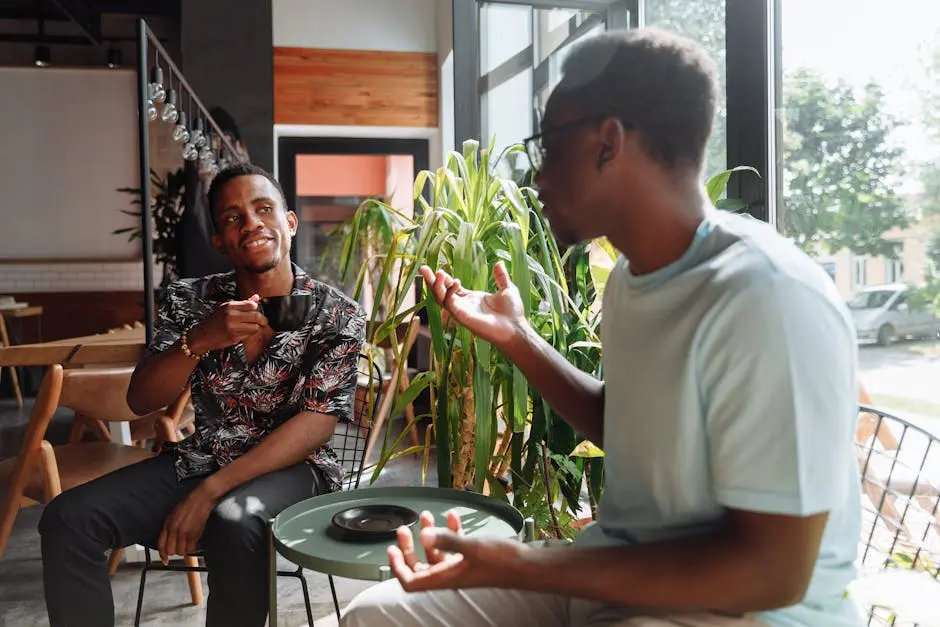
Context also plays a pivotal role. Are you in a boardroom, on a Zoom call, or chatting over coffee? Each situation demands a tailored approach. When you read the room (or screen), you’re better equipped to deliver a message that resonates, rather than just echoes.
And let’s not forget feedback — the lifeblood of effective communication. True communication is a two-way street. By inviting and observing feedback (both verbal and non-verbal), you open the door to real connection, deeper understanding, and mutual growth.
THE ART OF ACTIVE LISTENING
Listening is often called the “forgotten half” of communication, and it’s where true leadership begins.
Active listening means being fully present. Put down your phone, make eye contact, and tune in not just to words but to tone and energy. When people feel seen and heard, they’re far more likely to engage and share honestly.
A powerful technique? Reflecting back. Phrases like “What I hear you saying is…” or “It sounds like you feel…” show that you’re not just waiting for your turn to talk; you’re actually digesting and valuing what’s being said. This builds trust — fast.
And don’t rush to fill the silence. A thoughtful pause gives space for deeper insight and signals respect. Remember: great communicators don’t just wait to speak — they wait to understand.
NON-VERBAL COMMUNICATION AND ITS IMPACT
Did you know that most of our communication happens non-verbally? Your body language, facial expressions, and even the energy you project can reinforce — or completely contradict — your words.
Take body language. Crossed arms might suggest defensiveness, while open palms invite openness and trust. Your posture can communicate confidence or hesitation before you say a single word.
Eye contact is another powerful tool. It builds connection and shows sincerity, but remember that cultural nuances matter — too much eye contact can be intimidating in some contexts, while too little can come off as evasive.
A genuine smile, a nod of understanding, a lean forward — these micro-movements shape how your message is received. The alignment of your verbal and non-verbal signals is how you communicate authentically and powerfully.
CRAFTING CLEAR AND CONCISE MESSAGES
Clarity is Key. It is kindness. And, in communication, it’s also effective.
Start with one clear, central idea. Think of it as your North Star, guiding both you and your audience through your message without getting lost in the weeds.
Keep your language simple. Using big words might feel impressive, but if they cloud your meaning, it’s a fail. The goal is connection, not confusion.
And always consider your audience. Avoid jargon unless you’re sure it resonates. Tailoring your message to their level of understanding transforms information into inspiration, and inspiration drives action.
ADAPTING YOUR COMMUNICATION STYLE
One size never fits all when it comes to communication. I want to keep your authentic style and still make you even more effective.
Understand your audience first. Are you motivating a team, inspiring a crowd, or comforting a friend? Each requires a different tone and energy.
Cultural context also matters deeply. Some audiences value directness; others prefer a more nuanced, indirect approach. Adapting your style isn’t about losing authenticity — it’s about meeting people where they are to build genuine connections.
And watch for feedback in real time. How are they responding? Adjust, calibrate, and evolve. Great communicators are agile, always fine-tuning to make the biggest impact.
OVERCOMING COMMUNICATION BARRIERS
Communication barriers are real — and they’re human.
Anxiety is a big one. Many people fear being judged or misunderstood. Preparation is your antidote. Practice doesn’t just make perfect; it makes permanent confidence.
Cultural differences can also trip us up. The more you learn about other perspectives and adapt your style, the more inclusive and effective your communication becomes.
Misunderstandings? They often stem from assumptions. Replace assumptions with curiosity. Ask open-ended questions, dig deeper, and check your understanding before jumping to conclusions. You’ll be amazed at how this simple shift transforms your conversations.
PRACTICING EMPATHY IN COMMUNICATION
Empathy is the secret sauce that transforms communication from transactional to transformational.
Start by stepping into the other person’s shoes. What’s driving them? What emotions lie beneath their words?
Validate their feelings. Simple acknowledgments like “I can see this really matters to you” or “That sounds tough” build trust and open hearts.
And always lead with kindness. A warm, open approach encourages honesty and deepens connection. At its core, empathy isn’t about agreeing — it’s about understanding. And that’s where the magic of communication truly lives.
ENHANCING YOUR COMMUNICATION SKILLS: A JOURNEY WORTH TAKING
Improving your communication isn’t just a skill upgrade — it’s an ongoing leadership evolution.
Remember, great communicators aren’t born; they are made through practice, self-awareness, and a commitment to growth. Each conversation is a chance to build stronger relationships, inspire action, and make a bigger impact.
So keep going. Your next big breakthrough might be just one courageous, clear, and compassionate conversation away. And remember, it’s hard to see the picture when you’re in the frame. Getting a great coach and being coachable will make a lifelong difference.