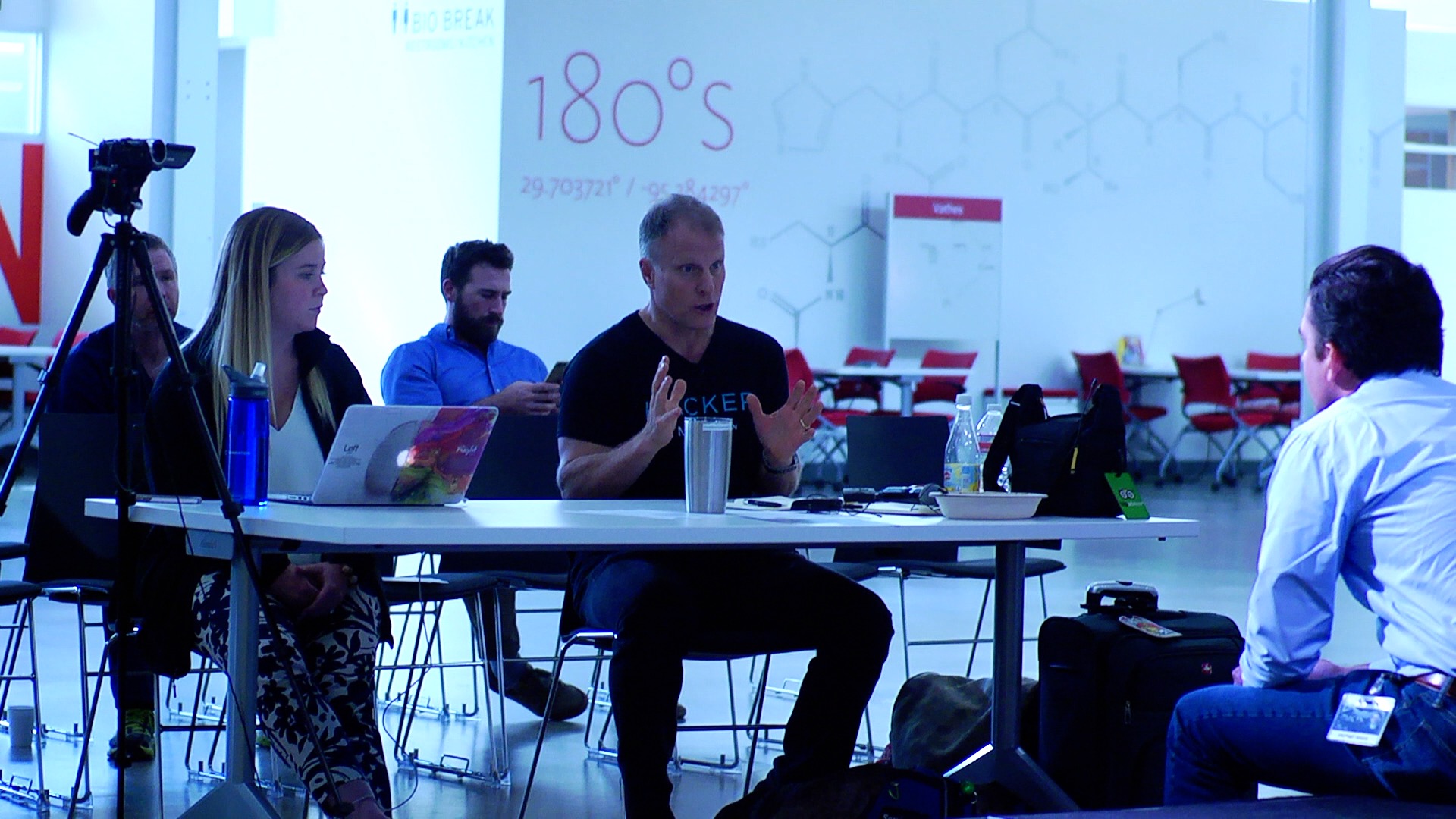

Personalized coaching is not generic advice delivered one person at a time. Done well, it is a focused partnership built around your real responsibilities, your communication patterns, and the high-stakes situations in which you need to be more effective.
That distinction matters. A technically accomplished leader rarely needs more information. You may already know what good leadership and communication are supposed to look like. The harder question is: What will help you change what happens when the room is watching, the decision matters, or the pressure rises?
That is where personalized coaching earns its keep.
What is personalized coaching?
Personalized coaching is a one-to-one development process tailored to an individual’s goals, strengths, blind spots, context, and opportunities. Instead of teaching a fixed curriculum, a strong coach helps you work on the situations that matter now: a board presentation, a difficult leadership conversation, an investor pitch, a promotion, a keynote, or the communication habits that are limiting your team.
I often describe a coach as someone who helps you see the picture while you are still in the frame. The goal is not to make you sound like the coach. It is to help you become a clearer, more trustworthy, more compelling version of yourself.
What are the real benefits of personalized coaching?
1. You work on the problem underneath the problem
A request such as “help me become a better speaker” may actually involve several different challenges. Perhaps your ideas are excellent but too dense. Perhaps you protect yourself with data when the audience needs a human story. Perhaps your delivery changes when a senior executive enters the room. Perhaps you are so focused on performing well that you stop connecting with the people in front of you.
Personalized coaching makes room for an accurate diagnosis. That saves time and prevents you from practicing the wrong solution.
2. The work is immediately relevant
Attention follows relevance. When coaching is connected to an actual conversation, presentation, relationship, or decision, the work becomes concrete. You can test a new behavior, observe what changes, and refine it while the stakes are real enough to matter.
This is one reason customized coaching can accelerate progress. You are not waiting for a future opportunity to use what you learn. Your current work becomes the laboratory.
3. You receive specific, useful feedback
Most leaders receive surprisingly little candid feedback about how they communicate. People may react to your authority, your title, or the quality of your ideas without telling you what actually helped—or prevented—them from understanding and trusting you.
A good coach notices the details: where your message becomes abstract, where your energy drops, where your body contradicts your words, where a story creates connection, and where one sentence could do the work of five.
4. You build confidence through competence
Confidence is not something we paste onto a leader. Durable confidence grows from knowing that you can handle the moment. You have prepared thoughtfully, practiced under realistic conditions, received honest feedback, and developed a reliable way to recover when something unexpected happens.
That final point matters. Excellent communicators are not people who never make mistakes. They are people who can stay present, recover in real time, and keep the relationship with the audience intact.
5. You turn insight into behavior
Insight feels productive, but it is not the same as change. Personalized coaching creates accountability: a specific behavior to practice, an opportunity to use it, and a conversation about what actually happened.
Over time, the work moves from conscious technique to a more natural way of communicating and leading.
What can personalized coaching help you improve?
The most valuable coaching engagements are tied to meaningful outcomes. Depending on the person and the moment, that may include:
- communicating complex ideas with greater clarity;
- strengthening executive presence without becoming performative;
- preparing for board, investor, media, or conference appearances;
- telling stories that make important ideas memorable;
- handling challenging questions without becoming defensive;
- listening in a way that builds trust and reveals what really matters;
- leading difficult conversations with both candor and humanity;
- reducing public-speaking anxiety through preparation, reframing, and practice;
- aligning a team around a decision, change, or shared direction; and
- making your communication a match for the quality of your thinking.
How does personalized coaching work?
The details should vary because people and situations vary. However, effective engagements usually include five elements.
1. A clear definition of success
“Be more confident” is understandable, but difficult to measure. We make it observable. What will you be doing differently? What will your audience understand, feel, or do? What important moment is approaching? What feedback would tell us the work is transferring into the real world?
2. An honest baseline
We look at what is already working and what is getting in the way. That may involve conversation, stakeholder feedback, a recording, a rehearsal, or direct observation. The purpose is not judgment. It is accuracy.
3. A small number of high-leverage changes
Trying to fix everything at once usually makes communication worse. The best coaching identifies the few changes most likely to improve the whole system: a clearer structure, a stronger opening, a different listening practice, a more useful relationship with nerves, or a shift from proving expertise to creating connection.
4. Deliberate practice
Practice does not make perfect. Practice makes presence—when the practice is realistic, purposeful, and followed by feedback. We rehearse the moments that matter, including the parts most people hope will not happen.
5. Application and refinement
You use the work in real settings. Then we examine the result. What changed? What surprised you? Where did the old pattern return? What is the next useful experiment?
How should you measure progress?
Good coaching should produce more than a pleasant conversation. Before the work begins, choose a few indicators that fit the goal. They might include:
- clearer and shorter presentations;
- better audience questions or stronger decision-making after you speak;
- greater participation and candor from your team;
- feedback from a manager, board member, colleague, or direct report;
- less recovery time after a mistake or unexpected question;
- more confidence entering high-stakes situations;
- a successful promotion, pitch, keynote, interview, or leadership transition; or
- consistent use of a new communication behavior over time.
Some outcomes are numerical. Others are visible changes in behavior, trust, or effectiveness. The important thing is to define what progress means before relying on a vague feeling that coaching “helped.”
How do you choose the right coach?
Credentials matter, but fit matters too. Ask whether the coach:
- understands the situations and audiences you face;
- has a clear method without forcing everyone through the same formula;
- can explain why a recommendation works;
- offers candid feedback with respect;
- has evidence of helping people with comparable stakes;
- will protect confidentiality; and
- helps you sound more like yourself, not more like them.
You should leave an initial conversation with greater clarity—even before you decide whether to work together.
When is personalized coaching worth the investment?
It is especially valuable when the cost of being misunderstood is high: a critical presentation, a leadership transition, an important relationship, a visible role, a team that needs alignment, or an idea that deserves to travel farther than it currently does.
I have worked with technically accomplished leaders, founders, NASA teams, TED and TEDx speakers, and executives at organizations including GE Aerospace. The settings differ. The underlying truth does not:
L=f(c)
Leadership is a function of communication.
Great leadership is a function of great communication.
If how you communicate shapes trust, investment, alignment, decisions, or action, improving it is not cosmetic. It is leadership work.
Ready to make the work specific?
If you are considering personalized coaching, bring one real situation to the conversation. Tell us what is at stake, what you want to make possible, and where the current approach is falling short.
LET’S TALK ABOUT THE MOMENT THAT MATTERS.
You can also explore executive communication coaching with John Bates.