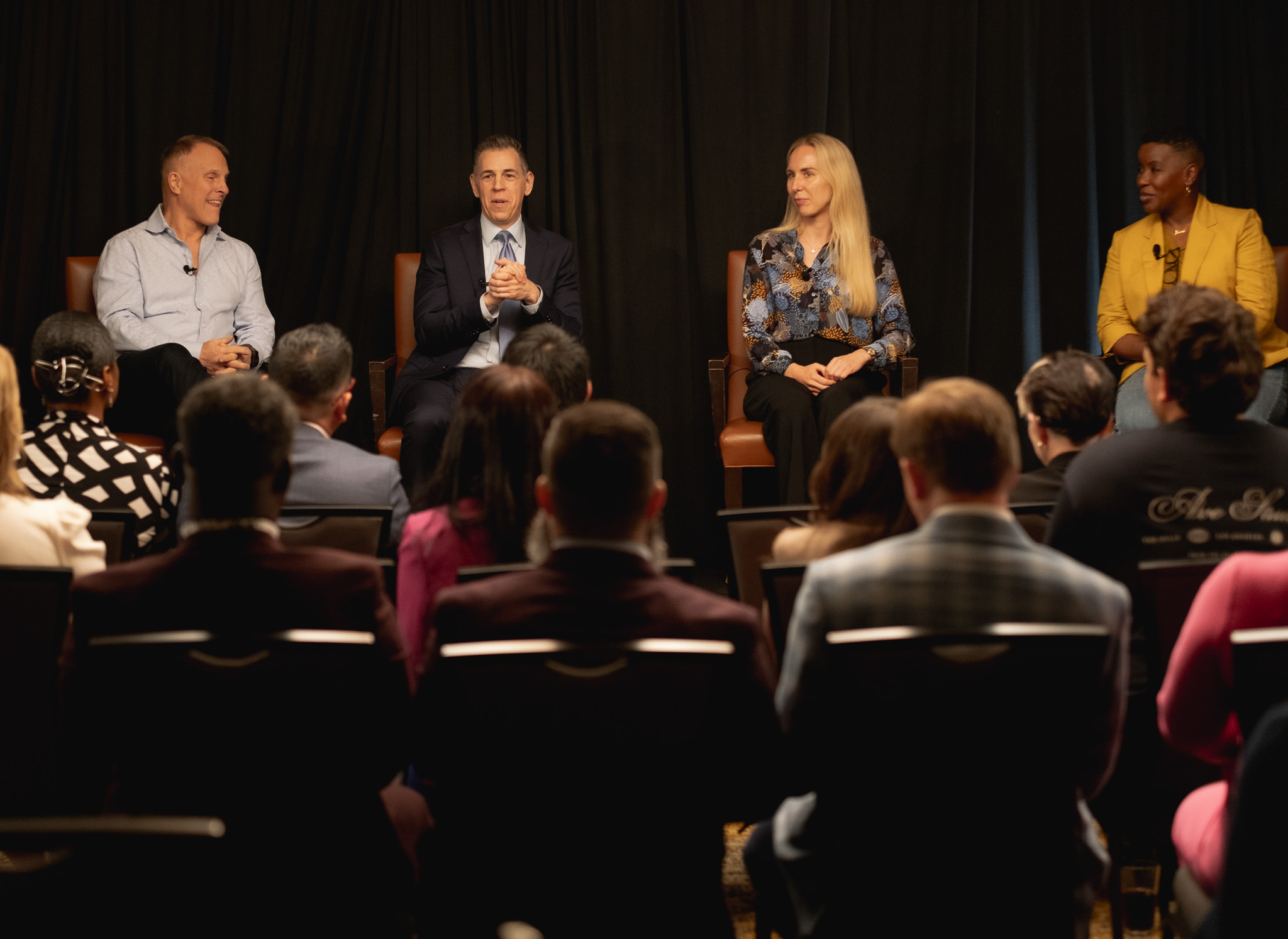
Every day, journalists, podcasters, event producers, and conference organizers need credible experts.
At the same time, many accomplished leaders assume meaningful visibility is available only to people with a large following or an expensive PR firm.
A good PR partner can be valuable. But the foundation of earned media is not access to a gatekeeper. It is becoming genuinely useful to the people who already need informed voices.
To earn media attention without relying entirely on a PR firm, you need to do three things well: find the right opportunities, pitch a relevant idea, and prepare to communicate clearly when the opportunity arrives.
Earned media starts with usefulness, not self-promotion
A journalist is rarely looking for “an impressive person who would like publicity.” A journalist is looking for a credible source who can help an audience understand something timely, complicated, or consequential.
That distinction changes the way you approach media.
Instead of asking, “How can I get covered?” ask:
- What does this audience need to understand right now?
- What can I explain from direct experience or legitimate expertise?
- What perspective can I offer that is both useful and distinct?
- Can I express it clearly enough to be quoted accurately?
Visibility with substance begins by serving the story, not inserting yourself into it.
Step 1: Find the right media opportunities
Start narrower than “get national media.” Identify the audiences and outlets where your expertise is truly relevant.
That might include:
- Trade publications covering your industry
- Business podcasts serving your ideal clients
- Local media when your expertise connects to a regional story
- Conference panels and association programs
- Journalists who regularly cover the decisions, risks, or changes your clients face
Study what they publish. Notice recurring topics, formats, and questions. The goal is not to collect a list of names. It is to understand what those people are responsible for producing and where you can make that work easier.
Step 2: Pitch a useful idea, not your résumé
Your credentials establish why you are qualified. They are not usually the story.
A useful pitch is brief and specific. It identifies:
- The timely issue: What is happening, changing, or being misunderstood?
- The audience consequence: Why should this outlet’s audience care now?
- Your distinct contribution: What can you explain, demonstrate, or challenge?
- Your credibility: What concise evidence shows that you are qualified to address it?
“I am available to talk about leadership” is vague. “Three questions boards should ask before approving an AI initiative—and the risk each question exposes” gives a producer something concrete to evaluate.
Clarity is not merely a speaking skill here. It is part of how you demonstrate expertise.
Step 3: Prepare before visibility arrives
Many smart, talented people start to sweat when the microphone turns on—not because they are unqualified, but because they have never been trained to communicate precisely under pressure.
An interview is not the place to discover your message. Before the conversation, prepare:
- One central idea you want the audience to remember
- Three supporting points that make the idea credible and useful
- One example or story that makes it human
- Two concise phrases that can stand on their own without losing accuracy
- Answers to the difficult questions you hope nobody asks
This is one reason media training matters for leaders. The objective is not to sound rehearsed. It is to remain clear, credible, and fully yourself when the pressure increases.
Become easy to quote without becoming simplistic
People remember communicators who can make a complex idea clear without making it shallow.
A strong soundbite is not an empty slogan. It is a complete, accurate thought expressed in language another person can understand and repeat.
Try this discipline: answer the question in one sentence first. Then add the explanation, evidence, or nuance.
Leaders often reverse that order. They provide every qualification and piece of context, then arrive at the answer after the audience has stopped listening. Leading with the answer makes you more helpful to the interviewer—and more trustworthy to the audience.
For additional preparation guidance, explore these leadership communication resources.
Turn visibility into a long-term asset
One interview should not be the end of the process. After an appearance:
- Thank the journalist, producer, or host.
- Share the finished piece without turning it into a victory lap.
- Note the questions that created the strongest conversation.
- Develop those questions into future articles, talks, or interviews.
- Stay useful by offering relevant perspective when the next story develops.
The goal is not simply to appear in the media. It is to become a trusted source: someone who offers substance, respects the audience, and communicates clearly when the moment matters.
You may not need a PR firm—but you do need preparation
You can create meaningful media opportunities without an expensive gatekeeper. You cannot skip the work of becoming relevant, credible, and ready.
Find the right opportunities. Pitch ideas that serve the audience. Prepare until you can communicate them clearly under pressure.
That is how expertise becomes visibility—and how visibility becomes trust.
If an interview, podcast, keynote, or other high-visibility opportunity is approaching, let’s prepare your message before the pressure is on.