
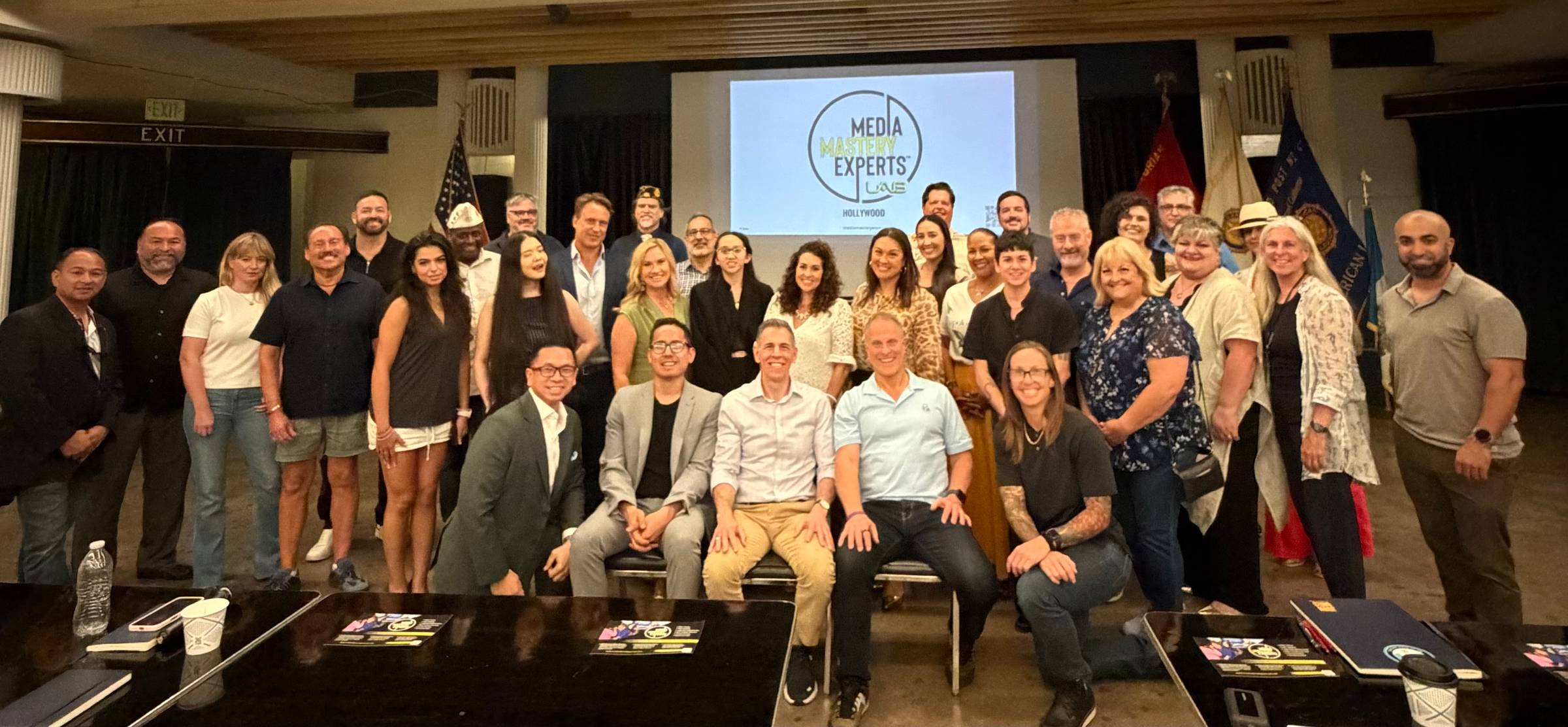
Executive presence is often mistaken for polish.
It is not.
Polish can help, but the real test is whether you can connect with people when the stakes are high. Can you build trust, communicate an important idea clearly, and inspire action?
That is a very different game. And it is a game worth getting really good at.
I have watched this shift happen with executives, founders, scientists, physicians, entrepreneurs, and other experts. They already know their subject. Their challenge is turning that expertise into communication people can understand, remember, and act on.
Three Communication Skills Behind Executive Presence
Strong leadership communication is not one skill. It is a set of abilities you can practice deliberately.
1. Tell the Origin Story That Shaped You
Your credentials may establish competence. Your origin story helps people understand why the work matters to you.
When you share the experiences that shaped your point of view, you create emotional credibility. People do not merely hear what you know. They begin to understand what you care about and why they should trust you.
The question is not, “How can I make myself sound impressive?” It is, “What experience taught me something that could be useful to the people I lead?”
2. Answer Questions With Clarity Under Pressure
A complicated answer is not always a sign of sophisticated thinking. Sometimes it is simply a sign that we have not yet decided what matters most.
Before you provide every detail, identify the one point your audience needs to understand. Give them the context that makes that point credible. Then finish with the decision, action, or idea you want them to take away.
This matters in interviews, board meetings, investor conversations, media appearances, and any moment when you do not have the luxury of delivering a rehearsed presentation.
3. Practice Presence, Not Performance
Executive presence is not a persona you put on. It is the ability to remain genuinely connected to yourself, your message, and the people in front of you.
You do not need to become louder, slicker, or more theatrical. You need to communicate with the authority your experience deserves while staying human enough for people to connect with you.
That balance is difficult to learn by reading about it. It develops through practice, feedback, adjustment, and another round of practice.
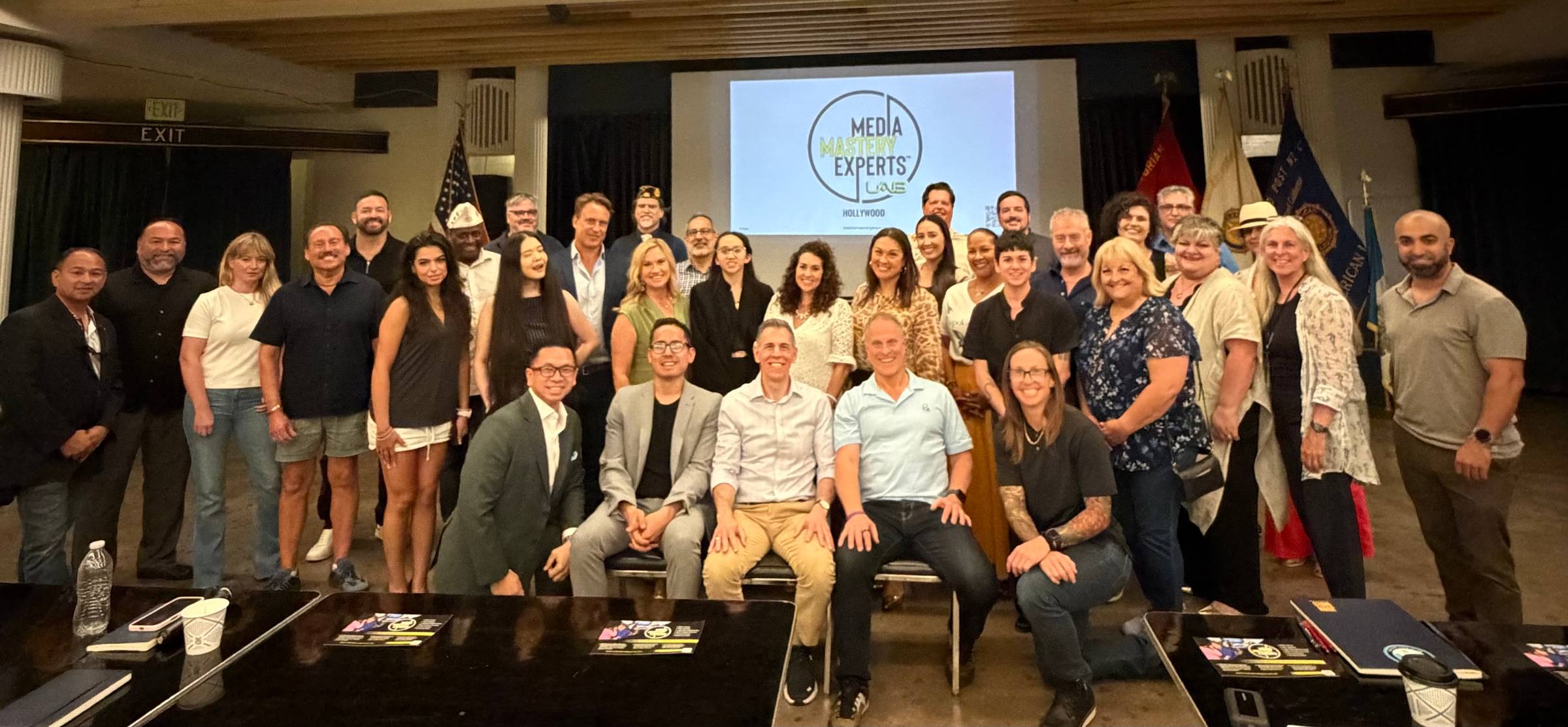
Insight Becomes Skill Through Practice
This is why the most useful communication training is participatory.
You can understand the idea of an origin story without knowing which parts of yours belong in the room. You can recognize a clear answer without being able to produce one under pressure. You can admire executive presence without knowing which habits are weakening your own.
Coached practice closes that gap.
Start with these three questions:
- What experience shaped the way I lead?
- Can I state my main point in one sentence before I explain it?
- What does this audience need from me in order to trust me and take action?
Choose one real conversation, presentation, or meeting coming up this week. Practice your answer out loud. Listen for the moment when explanation becomes connection.
Make Executive Presence a Deliberate Practice
Your communication does not need to become more polished for its own sake. It needs to become more useful to the people you lead.
Choose one of the three skills above and practice it in a real leadership situation this week. Ask someone you trust for specific feedback. Then try it again. That is how insight becomes a dependable leadership capability.
If your expertise has outgrown your communication, I help accomplished leaders turn what they know into clear, credible communication that earns trust and inspires action.
Learn about private executive communication coaching.
The goal is not to perform leadership. It is to communicate in a way that makes trust, clarity, and action more likely.