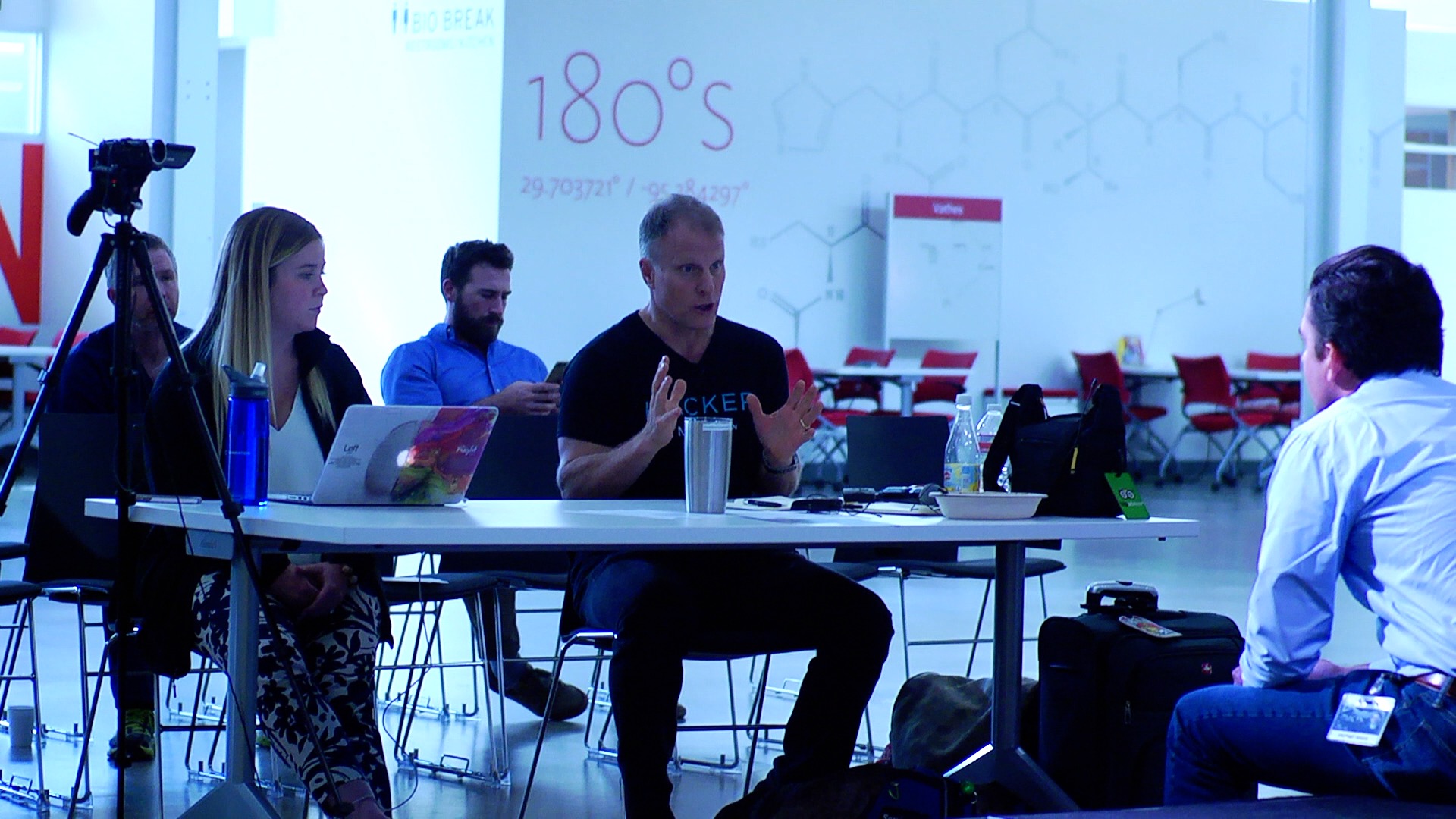

Want to command the room, captivate your audience, and leave a lasting impression every time you speak? Whether it’s a boardroom, conference stage, or virtual webinar, your ability to present with clarity, confidence, and charisma is a leadership superpower.
In this guide, I’ll walk you through 11 essential strategies to elevate your presentation skills so you can connect with any audience like a true leader.
1. Know Your Audience Well
Before you craft your content or step on stage, get crystal clear on who you’re talking to. What are their challenges, goals, and expectations?
Understanding your audience’s background. Are they data-driven executives, creative marketers, or skeptical engineers? That shapes how you tell your story. Great communicators lead with empathy and relevance.
When people feel seen and understood, they’re far more likely to trust, engage, and act on your message.
2. Make It a Story, Not a Slide Deck
Facts tell, but stories sell. Storytelling isn’t fluff. It’s important. That’s proven by neuroscience. Our brains are wired for stories because stories create emotional resonance and improve memory retention.
Structure your presentation like a compelling narrative:
- Set the stage with a clear opening
- Introduce conflict or challenge
- Offer insights, solutions, and transformation
- Close with a powerful resolution
Infuse your presentation with personal experiences where appropriate. Vulnerability creates connection. And connection creates impact. (It’s all a lot more doable than it sounds when it’s broken out like that. Once you do it a few times you’ll get the hang of it.)
3. Practice Like It’s Showtime
Rehearsal isn’t optional. It’s where good speakers become great.
Record yourself. Practice in front of colleagues. Time your segments. Pay attention to pacing, transitions, and tone. The more familiar you are with your content, the more flexible and confident you’ll be in the moment.
And always rehearse out loud. Your living room might not have an audience, but your mirror is a great first crowd.
4. Use Visuals to Support, Not Distract
PowerPoint doesn’t need to be painful. Think minimalist, visual, and emotionally impactful. If you put up lots of words no one will be listening to what you say. They will be reading.
Use strong imagery, short phrases, and clean design. Avoid dense paragraphs and text overload. One powerful image or data visualization will drive your point home better than a dozen slides full of bullet points. A Guideline I like is “One Idea Per Slide.”
Bonus: If your visuals disappeared, would your message still land? That’s the litmus test.
5. Master Your Non-Verbal Communication
Your body speaks louder than your words.
Your nonverbal communication is not a percentage of what you say… It is 100% of the CONTEXT within which EVERYTHING you say gets heard! It makes an enormous difference in how what you say is received and processed.
Maintain eye contact. Use open, intentional gestures. Stand with confidence. Smile genuinely. Move with purpose.
These non-verbal cues reinforce your credibility and connection. When aligned with your words, they amplify trust and engagement.
Bonus: Controlled breathing and posture help reduce nervousness and steady your voice.
At Executive Speaking Success we have a tried and true exercise that helps you take control of your unconscious body language and micro expressions, which is easy to do and highly effective.
6. Invite Interaction and Dialogue
Presentations aren’t monologues… they’re opportunities for meaningful engagement.
Ask open-ended questions. Use live polls. Encourage participation or brief breakout conversations. The more interactive your presentation, the more memorable and effective it becomes.
Also, never underestimate the power of a well-timed pause. It invites reflection and gives your audience time to process. In public speaking, we call it the “powerful pause.”
7. Transition Smoothly Between Ideas
Want to keep your audience tuned in? Guide them clearly from one point to the next.
Transitions like “Let’s shift gears…” or “Now that we’ve covered X, let’s explore Y” give listeners a mental map. This keeps your message cohesive and your delivery confident.
Story-driven transitions, like returning to a central metaphor or anecdote, add depth and emotional continuity. Besides, people like it.
8. Embrace Tech that Elevates, Not Complicates
From video embeds to interactive tools, technology can transform your presentation if used wisely.
Avoid overloading your audience with flashy effects. Use tools like Prezi, Mentimeter, or embedded video clips to illustrate key points and keep the energy dynamic.
Make sure you know the tech inside out before your session. Nothing disrupts flow like fumbling with a slide or app.
9. End with Purpose and Power
Your conclusion should echo long after you stop speaking. Recap your main insights, and deliver a clear call to action.
Want your audience to take the next step? Be explicit. Whether it’s shifting a mindset, adopting a new strategy, or reaching out to connect, invite them into action.
Close the loop on your opening story for emotional impact. A full-circle moment creates satisfying closure.
10. Ask for Feedback. Always.
Feedback isn’t failure, it’s fuel. I like to call it FeedForward, thanks to Marshall Goldsmith, a hero and mentor of mine.
After each presentation, ask a few trusted peers: “What worked? What could be stronger?” Review recordings. Reflect on the audience’s reactions.
This habit creates a feedback loop that drives rapid improvement and increases your self-awareness as a communicator. Be kind to yourself, and be willing to grow.
11. Never Stop Evolving
Presentation excellence is a lifelong pursuit. The best speakers are always learning.
Read books. Take courses. Watch great talks and dissect what works. Work with a coach who challenges and sharpens you. Engage in communities where communication is practiced, refined, and celebrated.
When you view every presentation as a chance to grow, you not only improve your skills, but you also elevate your leadership.
Final Thought: Presence Is a Practice
You don’t have to be perfect; it’s more important to be present. With the right tools, mindset, and practice, you can show up powerfully every time you speak.
If you’re ready to level up your presentation skills—and speak with impact, authority, and authenticity reach out. Let’s make your next presentation unforgettable. Schedule a call with me, here.